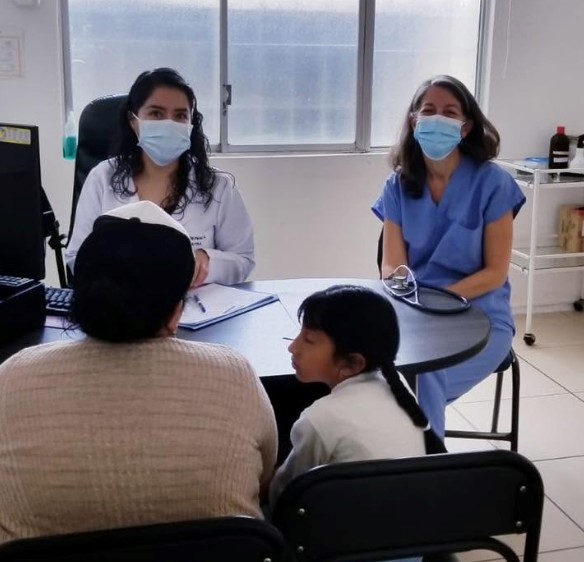
A Heart That Helps, A Life That Changes: The Beautiful Power of Health and Medical Volunteering
Sometimes, the smallest act of kindness can make the biggest difference in someone’s life. A comforting smile, a helping hand, or simply taking the time to listen can mean more than words can express. Health and medical volunteering is about bringing that kind of care to people who need it most. It is not just about hospitals, medical supplies, or healthcare services. It is about people, compassion, and the belief that everyone deserves a chance to live a healthier and happier life.
If you have ever wanted to do something meaningful for others, health and medical volunteering can be a wonderful place to start. It offers an opportunity to support communities, learn valuable skills, and become part of something bigger than yourself.
Why Health and Medical Volunteering Matters
Access to healthcare is something many people take for granted. Yet, for some communities, getting basic medical support can be a daily struggle. Limited resources, financial difficulties, and a lack of healthcare facilities can make it harder for people to receive the care they need.
Volunteers can help support healthcare initiatives by assisting with community programmes, health awareness activities, and other non clinical tasks. Their contribution can help make healthcare services more welcoming and accessible.
The real beauty of volunteering lies in the human connection. When someone feels heard, supported, and cared for, it can bring a sense of comfort that goes beyond the immediate situation.
Small Efforts Can Make a Big Difference
You do not always need years of medical experience to contribute to a healthcare initiative. Many volunteer opportunities involve supporting people in ways that are simple but meaningful.
Supporting Community Health Awareness
Health awareness is an important part of building healthier communities. Volunteers may help with educational activities that encourage people to understand basic hygiene, nutrition, preventive care, and general wellbeing.
Sharing reliable information can help people make better decisions about their health. These activities should always be guided by qualified healthcare professionals to ensure the information is accurate and appropriate.
Helping Patients Feel Less Alone
A healthcare setting can sometimes feel overwhelming. Patients may be worried about their health, uncertain about their treatment, or simply missing the comfort of familiar surroundings.
Volunteers in approved support roles can offer companionship, help with non medical activities, or assist staff with everyday tasks. A friendly conversation can brighten someone’s day. Sometimes, being present is enough to make a difficult moment feel a little easier.
The Skills You Can Develop Through Volunteering
Health and medical volunteering is not only about helping others. It can also help you grow as a person.
Communication and Empathy
Working with people from different backgrounds teaches you the importance of listening. You begin to understand that everyone has a different story, and not every person expresses their feelings in the same way.
Empathy helps you respond with patience and kindness. These qualities are valuable in healthcare settings and in everyday life.
Teamwork and Responsibility
Healthcare initiatives often involve people working together towards a shared goal. Volunteers learn how to communicate with others, follow instructions, manage responsibilities, and support a team.
These experiences can strengthen your confidence and help you become more comfortable in new situations.
Understanding Community Needs
Volunteering can also help you see the challenges faced by different communities. You may learn how access to education, clean water, nutrition, and healthcare can affect a person’s wellbeing.
This understanding can encourage you to become more thoughtful and socially responsible.
The Connection Between Healthcare and Women’s Empowerment
Health and empowerment are closely connected. When women have access to proper healthcare, education, and support, they gain greater opportunities to make informed decisions about their lives.
Community health programmes can help raise awareness about maternal health, nutrition, hygiene, and general wellbeing. These efforts can be especially valuable in communities where healthcare resources are limited.
Choosing to volunteer for Women’s Empowerment can also be a meaningful way to support initiatives that help women build confidence, access resources, and understand their rights. Supporting women’s health and wellbeing is not only beneficial for individuals. It can also strengthen families and communities.
Every woman deserves to feel safe, respected, and supported when seeking healthcare.
How to Become a Responsible Health Volunteer
Before joining a healthcare volunteering programme, it is important to understand the responsibilities involved.
Choose a Trustworthy Organisation
Look for organisations that work closely with local communities and have clear goals. They should explain the volunteer role, training requirements, and expected responsibilities.
A responsible programme should focus on genuine community needs rather than treating volunteering as a tourist activity.
Respect Professional Boundaries
Medical volunteering requires care and responsibility. Volunteers without appropriate qualifications should never diagnose illnesses, provide medical treatment, or perform clinical procedures.
It is important to follow the guidance of qualified professionals, respect patient privacy, and understand the limits of your role.
Be Prepared to Learn
Every volunteering experience comes with something new. You may encounter unfamiliar routines, different cultural practices, or situations that require patience.
Approach these experiences with an open mind. Ask questions when appropriate, listen carefully, and remember that local healthcare professionals understand their communities best.
Conclusion
Health and medical volunteering is a powerful reminder that kindness still matters. It brings people together, supports communities, and creates opportunities for meaningful human connections.
Whether you are helping with health awareness activities, supporting patients in non clinical roles, or contributing to community wellbeing initiatives, your efforts can make a difference. The experience can also teach you valuable lessons about compassion, responsibility, and the importance of caring for others.
You do not have to change the entire world in one day. Sometimes, making one person feel supported is a beautiful place to begin. A caring heart, a willingness to learn, and a genuine desire to help can make every volunteering experience more meaningful.



Leave a Reply