The 5-Minute Herd Check Every Farmer Should Consider
A healthy herd does not always announce when something is wrong. Often the first signs of a problem are subtle. A change in the way an animal walks, a reduced appetite, unusual behavior, or simply standing apart from the group can signal something unusual. That is why a quick, daily inspection can be one of the most valuable habits on a livestock farm. You do not need hours of extra work. Just five focused minutes can help you spot changes early and decide whether an animal needs closer attention.
The Quick Daily Herd Check Every Farmer Should Know
Watch How Your Animals Move
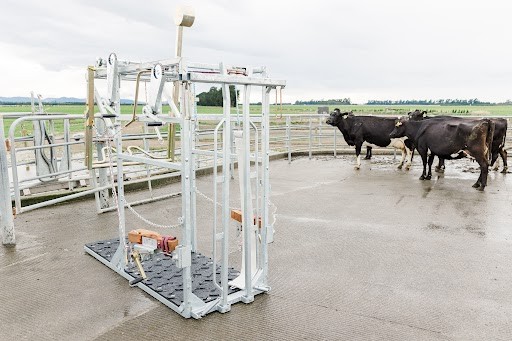
Stand and observe your herd. Do the animals walk normally, or is one animal standing differently, walking slowly, or avoiding putting weight on a particular leg? Changes in movement can sometimes indicate discomfort or an underlying health issue. Pay particular attention to animals that are reluctant to walk, spend more time lying down, or separate themselves from the rest of the herd. If you are looking for preventive approaches, livestock hoof care solutions can be worth considering.
Check Appetite, Water Intake, and Behaviour
Observe what your animals are doing. Are they eating and drinking normally? Are they active and responsive? Or does one animal appear unusually quiet or uninterested in food? Behaviour changes can sometimes be among the earliest visible signs that something is not right. You know your herd’s normal routine better than anyone. So, trust those observations. If an animal that is usually active suddenly becomes withdrawn, it is worth paying closer attention.
Take a Quick Look at Hooves and Legs
You do not necessarily need to conduct a detailed examination of every animal during your five-minute check. Instead, look for obvious signs such as swelling, unusual posture, damaged hooves, or changes in the way an animal stands. Routine maintenance can help address concerns before they interfere with normal movement. You can also consider hoof trimming services depending on the animal, farm conditions, and professional recommendations.
Look for Anything Unusual
Finally, take a quick overall look at the animals. Check for visible wounds, swelling, changes in body condition, unusual discharge, or anything else that seems different from normal. Keep a simple record of animals that need closer observation. This can help you track changes over time and communicate useful information to your veterinarian when needed.
A quick herd inspection may seem simple, but consistency is what makes it valuable. So, tomorrow morning, before getting caught up in the day’s tasks, take five minutes to stop, observe, and look closely at your herd. Sometimes, the smallest changes are the ones worth noticing first.


Leave a Reply