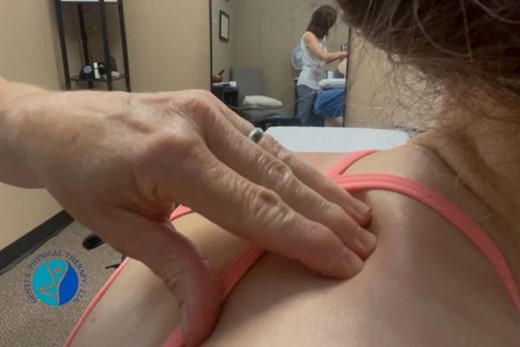
The Everyday Muscle Tension Most People Learn to Live With
You know that feeling when your neck stays tight no matter how much you stretch, or when your shoulders feel heavy after a normal workday? A lot of people assume that kind of discomfort is just part of getting older or staying busy. The strange thing is, the body slowly adapts to tension, so after a while it starts feeling normal even when it should not.
Many people spend months ignoring these small aches until movement becomes uncomfortable or daily tasks start feeling harder than they should. That is usually the point where they begin looking into options like soft tissue mobilization in Katy to help release some of that built up tightness in a more targeted and natural way.
Muscles carry stress quietly
The body stores tension in ways most people do not notice right away. Long hours sitting, repetitive movements, stress, poor posture, and lack of movement can all affect muscles and connective tissue over time. At first it feels minor, maybe a little stiffness in the morning or soreness after work. But slowly the tension spreads and movement starts feeling restricted.
The tricky part is that tight muscles can also affect nearby areas. A stiff back may lead to hip discomfort. Tight shoulders may create headaches or neck pain. Everything in the body works together more than people realize.
Sometimes stretching alone is not enough
People often try fixing discomfort on their own first. They stretch, rest, or use heat packs, and sometimes that helps temporarily. But deeper tension can stay trapped beneath the surface, especially when muscles have been tight for a long time.
That is why approaches focused on muscle and tissue release have become more popular. Choosing soft tissue mobilization in Katy can help improve movement and reduce stiffness by working directly with areas where tension has built up over time.
Recovery feels different when the body relaxes
One thing people often notice after focused muscle work is how much lighter the body feels afterward. Movement becomes smoother, posture feels easier, and even breathing can feel more relaxed. It is not always about dramatic pain relief right away. Sometimes the biggest difference is simply feeling less restricted during normal daily activities.
The body tends to respond well when tension is reduced gradually instead of being forced. That is why slower and more supportive recovery methods often feel easier to stick with long term.
Small habits still matter every day
Even with therapy or treatment, everyday habits continue shaping how the body feels. Sitting too long, skipping movement, or carrying stress physically can quickly bring tension back again. Small changes like walking more often, stretching lightly, and improving posture throughout the day can support long term comfort.
Consistency matters more than doing everything perfectly. The body usually responds best to regular care and attention over time.
Feeling better starts with paying attention sooner
A lot of people wait until discomfort becomes severe before doing anything about it. But the body often gives small warning signs long before that happens. Tightness, stiffness, reduced flexibility, and fatigue are all signals worth noticing.
Taking those signs seriously early can help your body recover more naturally and comfortably. Sometimes even small steps toward releasing tension can create a noticeable difference in how you move and feel every day.




Leave a Reply