Why So Many People Are Switching Back to Traditional African Black Soap
For years, skincare became all about complicated routines, expensive bottles, and ingredients most people could barely pronounce. It felt like every month there was a brand new trend promising perfect skin in just a few days. But honestly, a lot of people are exhausted by all of it now. They want products that feel simple, natural, and connected to something real instead of another internet craze that disappears after two weeks. That shift is one reason traditional skincare products are becoming popular again, especially ingredients and cleansers with deep cultural roots and long histories behind them.
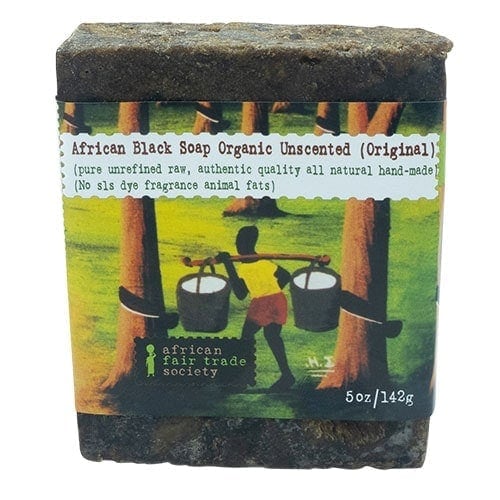
One thing that keeps coming up in these conversations is the decision to buy african black soap from trusted sources that focus on authentic ingredients and ethical production. Brands connected with traditional African skincare practices, like African Fair Trade Society, have helped more people understand what authentic African black soap actually is and why it has stayed part of skincare routines for generations. Their collection includes traditionally made black soap bars and liquid soaps crafted with shea butter, cocoa pods, palm ash, and natural oils without harsh chemical fillers.
People Are Tired of Overcomplicated Skincare
A lot of skincare routines today feel overwhelming before people even start. One product tells you to exfoliate daily, another says never exfoliate too much, then suddenly someone is layering six different acids on their face wondering why their skin feels irritated. The truth is that skin often responds better to calm, consistent care instead of constantly switching products every week.
That is why many people are going back to simpler cleansers and natural skincare habits. Traditional soaps made with plant based ingredients often feel easier to trust because they are not trying to do fifty things at once. They cleanse the skin, remove excess oil, and leave the skin feeling refreshed without turning the routine into a science experiment. For a lot of people, that simplicity feels like relief.
Natural skincare routines also tend to fit better into everyday life. Most people do not have time for complicated ten step systems before work every morning. They want routines that feel practical and sustainable long term. Washing your face properly, keeping the skin moisturized, drinking enough water, and getting decent sleep usually matter far more than constantly chasing new trends online.
Why Authenticity Matters With African Black Soap
One thing people quickly learn is that not every black soap product on the market is actually authentic. Online discussions about African black soap often mention that genuine traditional black soap usually has a rough texture and more natural brown tones rather than perfectly smooth jet black bars. Many longtime users recommend buying from trusted African shops or fair trade organizations that work directly with communities producing the soap traditionally.
Authentic African black soap has been used for generations across West Africa to support skin cleansing and help with issues like uneven texture, excess oil, dark spots, and irritation. Traditionally, it is made using ingredients like cocoa pod ash, palm oil, coconut oil, plantain skins, and shea butter. The traditional production process is part of what gives the soap its unique texture and cleansing properties.
Organizations connected to fair trade production are also helping preserve those traditional methods while supporting local communities economically. African Fair Trade Society reinvests profits into healthcare, education, and employment programs in rural West African villages, especially supporting women led communities involved in shea butter and soap production. For many people, knowing there is a real human story behind a product makes the experience feel much more meaningful.
Small Habits Usually Make the Biggest Difference
One reason people stay loyal to traditional skincare routines is because they usually focus on consistency rather than perfection. Skin tends to improve slowly through small habits repeated daily instead of dramatic overnight fixes. Gentle cleansing, proper hydration, reducing stress, and protecting the skin barrier often matter much more than constantly trying new products every month.
African black soap is often appreciated because it can fit naturally into simple routines without requiring much extra effort. Some people use it for facial cleansing, while others use it on the body or scalp depending on their skin type and comfort level. Dermatology discussions often mention that moisturizing afterward is important because black soap can sometimes feel drying for sensitive skin if overused. Listening to your own skin instead of blindly copying trends online usually leads to better long term results anyway.
A lot of users online also mention how important it is to start slowly when trying traditional black soap for the first time. Some people see improvements in uneven texture and breakouts fairly quickly, while others need time to figure out how often their skin responds best to it. Everybody’s skin behaves differently, and simple routines usually work best when people allow room for adjustment instead of expecting instant perfection.
Going Back to What Feels Real
One reason traditional skincare keeps growing in popularity is because people are craving authenticity again. They want products connected to culture, craftsmanship, and real ingredients instead of endless marketing promises. Natural skincare is not really about chasing perfection anymore. It is more about finding routines that feel honest, manageable, and supportive in everyday life.
At the end of the day, healthy skin rarely comes from doing the most. It usually comes from patience, consistency, and paying attention to what genuinely works for your body over time. Sometimes the routines that last the longest are the ones built around simplicity and trust instead of trends.




Leave a Reply